Concept Generation and Human-Centred Design (HCD)

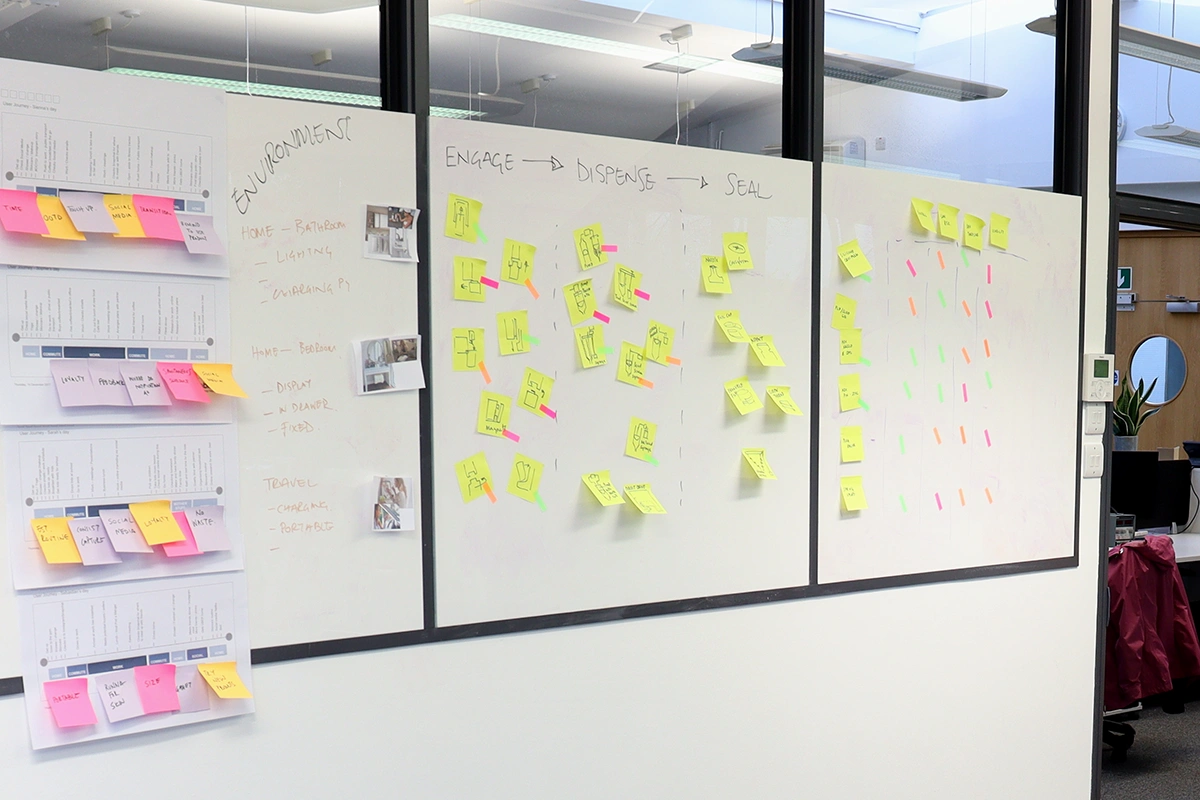
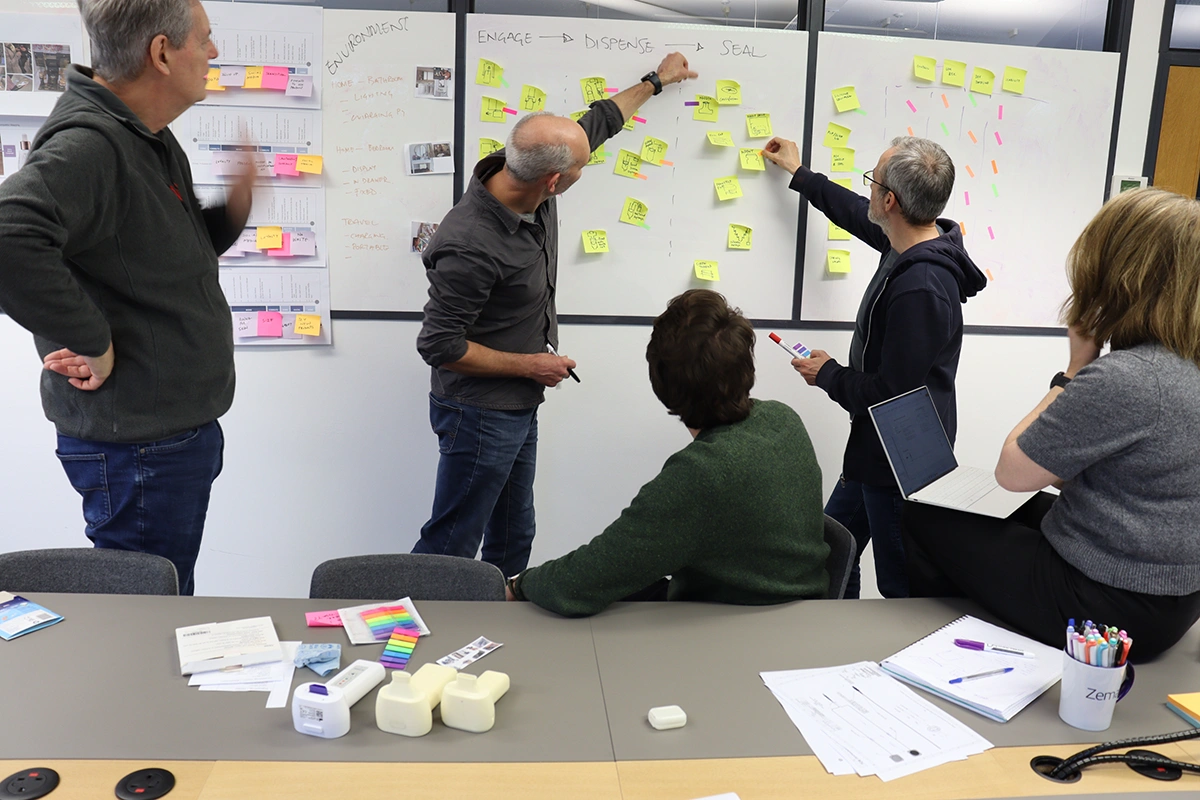
Turning advanced technology into a successful product requires more than engineering excellence. It demands clarity of purpose, intuitive usability, and a design that resonates with its intended users. At Wideblue, we specialise in shaping early-stage ideas into compelling, credible product concepts that are ready for real-world environments.
The way a product looks, feels, and functions directly influences how it is perceived, adopted, and trusted in the market. Our concept generation process ensures that innovation is not only technically sound, but also usable, safe, and clearly aligned with user needs and operating environments.
We collaborate closely with our clients and subject-matter experts to define and prioritise requirements, explore multiple design directions, and evaluate feature trade-offs. By generating and comparing a range of concept options early in the project, we can reduce risk and build confidence before committing to detailed design.
Our approach includes:
- Structured ideation and brainstorming with clients and expert engineers
- Definition and prioritisation of functional, technical, and user requirements
- Generation of multiple product concept options
- High-quality design concept visualisation through sketches, CAD models, and rendered imagery
- Feature and design trade-off analysis to support informed decision-making
Concepts often begin with simple sketches and graphics to clarify what truly matters and to support early market or stakeholder feedback. As direction becomes clearer, we develop selected concepts in CAD, producing realistic renders that bring each option to life. This allows clients to visualise how a product will look and feel in use, and to refine requirements before significant investment in detailed engineering.
Alongside visual design, we place strong emphasis on human factors and usability. Understanding how people will interact with a product is fundamental to its success, whether it is a consumer product, medical device, or industrial equipment. Effective product design must be intuitive to use, safe, and well-suited to its physical and operational environment.
Wideblue supports this through usability studies, workflow analysis, and storyboarding of real-world use cases. By mapping user interactions across different scenarios (installation, operation, servicing, and maintenance), we help ensure every touchpoint is considered and optimised from the outset.
To complement digital development, we can produce aesthetic models and 3D-printed prototypes, allowing you to physically handle and assess a design. While CAD and rendering are powerful tools, there is often no substitute for holding a product in your hands to validate scale, ergonomics, and overall feel.
Wideblue can support you at any stage of this process. Contact our team to learn how we can help.